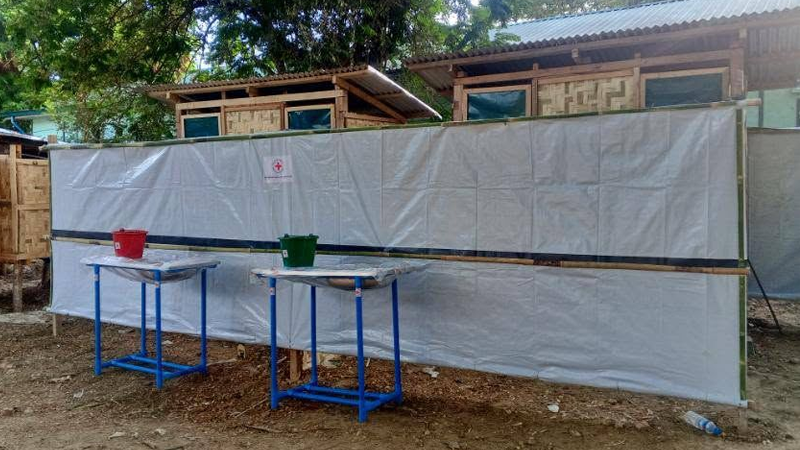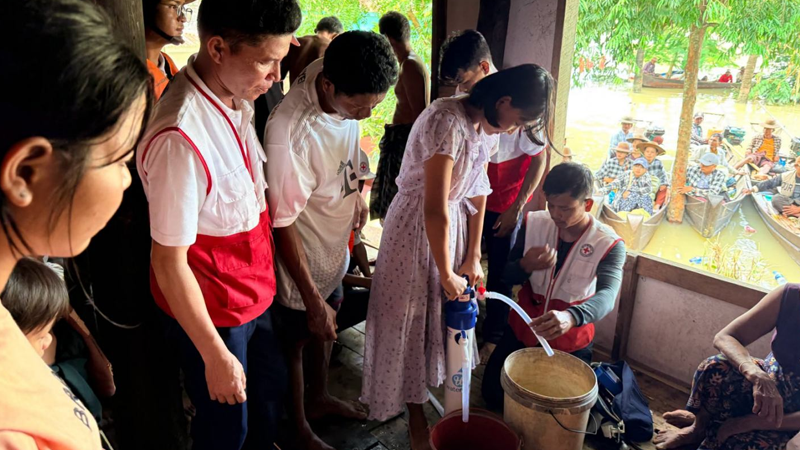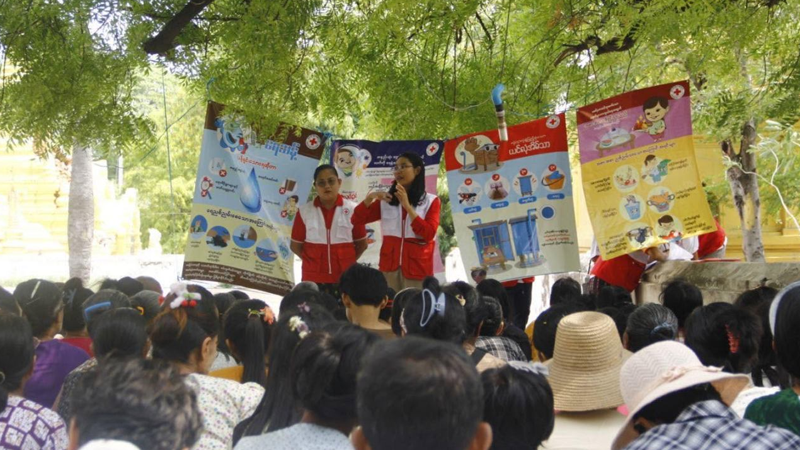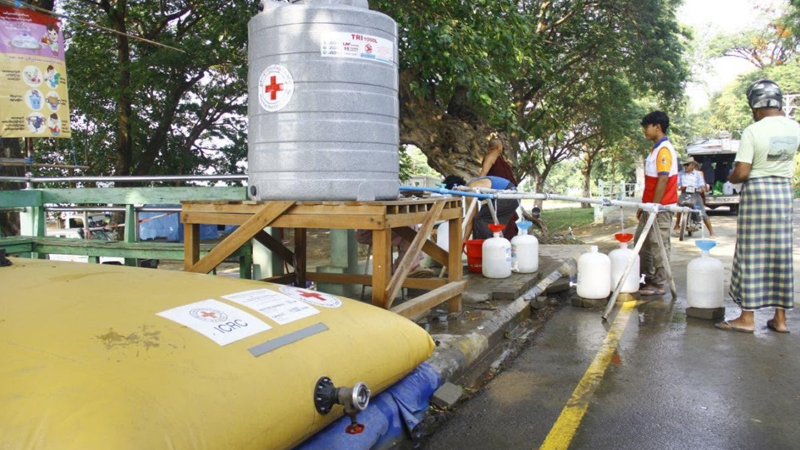


Access to safe water, proper sanitation, and good personal hygiene is fundamental to healthy, dignified life. The Myanmar Red Cross Society (MRCS) delivers integrated WASH interventions to mitigate public health risks, control disease, and enhance the resilience of vulnerable communities, particularly in rural and disaster-affected locations.
MRCS scaled its WASH response following Cyclone Nargis in 2008, which caused severe environmental degradation and widespread shortages of drinking water. Initial interventions focused on immediate emergency relief, community awareness, and the deployment of water purification systems and treatment products.
To institutionalize and expand these efforts, MRCS established a dedicated WASH Unit in 2017. The Unit centralizes strategic planning, coordinates technical support, and oversees the execution of sustainable WASH programs to support vulnerable communities.
Operational Approach & Impact
MRCS applies a community-centered development model to ensure that interventions are context-appropriate, equitable, and locally sustained:
Field Integration: Programs are co-implemented by local Red Cross volunteers, specialized technical staff, community leaders, and local authorities.
Targeted Interventions: Resources are directed to rural areas health risks are highest due to inadequate infrastructure and poor hygiene practices.
Behavior Change & Education: Participatory hygiene promotion fosters long-term behavioral transformation alongside physical infrastructure development.
Sustainability: By combining technical assistance with capacity building and community ownership, MRCS ensures that local populations can maintain WASH systems independently over time.
For more information on our Water, Hygiene and WASH activities, please contact following;
Hein Htet Soe
WASH Manager, WASH Unit, Health Department, Myanmar Red Cross Society.
Email : heinhtetsoe@redcross.org.mm
Core Objectives
The primary objective of the WASH Unit is to reduce morbidity and mortality caused by water- and sanitation-related diseases, with a strategic focus on rural populations and high-risk groups.
Key operational objectives include:
- Community Empowerment: Enable vulnerable communities to self-identify, prioritize, and sustainably manage their water, sanitation, and hygiene needs.
- Stakeholder Coordination: Coordinate actively with different stakeholders and sector partners at national, state/region, and township levels to streamline service delivery and policy alignment.
- Capacity Building: Strengthen the technical and programmatic capacity of MRCS networks across volunteer, branch, and headquarters levels.
- Direct Infrastructure & Service Provision: Deliver access to safe drinking and domestic water systems alongside improved environmental sanitation facilities for underserved households.