


MRCS History and Background
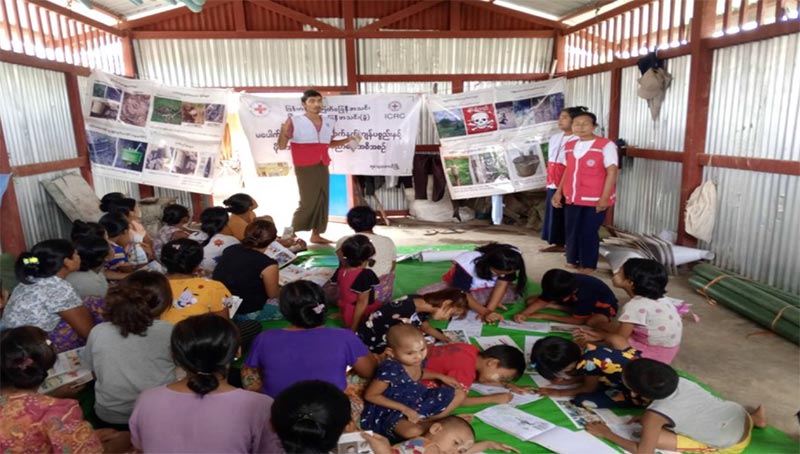
In Myanmar, the Red Cross Society actively engages in a variety of humanitarian activities aimed at responding to emergencies, supporting vulnerable communities, and promoting health and well-being. Our initiatives include disaster response and recovery, first aid training, health and hygiene promotion, and psychosocial support. Through these efforts, we strive to create a safer and more resilient society, ensuring that everyone has access to the care and assistance they need in times of crisis.
As the leading and oldest humanitarian organization in Myanmar, the Myanmar Red Cross Society (MRCS) is dedicated to improving the health and well-being of vulnerable populations. Our journey began in 1920 as a branch of the Indian Red Cross Society. Following Burma’s formal separation from India in 1937, the Society achieved official national status in 1939 and was admitted to the International Federation of Red Cross and Red Crescent Societies in 1946.
In 1959, the Burma Red Cross Act was enacted (with additional amendments in 1964, 1971, and 1988), which conferred responsibility on the National Society for implementing humanitarian activities and alleviating human suffering. This Act also included the incorporation of the St. John Ambulance Brigade Overseas, which became known as the Burma Ambulance Brigade.
In 1989, the organization was renamed the Myanmar Red Cross Society in accordance with the legislative change from Burma to Myanmar. The MRCS Law was revised and enacted in August 2015, and it was introduced to Red Cross Red Crescent Movement partners, UN organizations, INGOs, LNGOs, community-based organizations, and media groups in October of the same year.
The Myanmar Red Cross Assembly is the supreme authority of the Society, representing the MRCS, its supervisory committee, branches, and sub-branches. The Council and Executive Committee (EC) are elected during the Myanmar Red Cross Assembly in accordance with the election regulations. The assembly comprises 71 Central Council members and 11 EC members (5 full-time and 6 part-time). Additionally, the organization includes 17 state and region Red Cross Supervisory Committees, 330 township branches, and over 20,000 Red Cross volunteers who run the humanitarian activities.
Objective
To prevent and alleviate human suffering.
Mission
To alleviate human suffering ath strengthen community resilience through a network of volunteers and branches, while fulfilling the auxiliary role to the State in humanitarian action.
Vision
A trusted, adaptive, and sustainable National Society delivering principles humanitarian action for the most vulnerable communities in Myanmar and beyond.
3 Main Activities:
- Promoting health.
- Preventing diseases.
- Providing help to those in distress.
Core Activities:
- First Aid & Safety Services.
- Psychosocial Support.
- Blood Donation – Recruiting healthy blood donors.
- Health & Care – Health Education & Disease Prevention.
- Rehabilitation – Providing artificial limbs to amputees.
- Water & Sanitation,
- Disaster Preparedness, Response, Relief & Recovery.
- Restoring Family Links.
- Livelihood Program.
- Red Cross Dissemination.




AWARDS & HONOURS
The Myanmar Red Cross Society recognizes and celebrates the outstanding dedication, courage and humanitarian service of its personnel, volunteers and the Society as a whole. Over the years, MRCS and individuals serving within the Society have received national and international awards in recognition of their exceptional contributions to humanitarian action and the Red Cross and Red Crescent Movement.
These honours include recognition for individual service, outstanding organizational contributions and exceptional dedication to nursing and humanitarian work, reflecting the commitment of MRCS and its people to protecting life, alleviating suffering and serving communities in times of need.



MRCS Presidents

Sir Oscar de Glanville
President of the Legislative Council of Burma
1920 - 1945

Dr. Ba U
Former President of Union of Burma
1948 - 1952
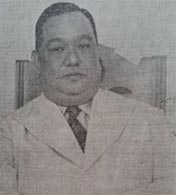
U Aung Khaing
Minister of Legal Affairs
1952 - 1959

Brigadier General Aung Gyi
Deputy Commander- in- Chief of the Defence Services (Army)
1959 - 1960

Brigadier General Than Phae
Deputy Commander -in- Chief of the Defence Services (Navy)
1960 - 1961

Colonel Hla Han
Director of Medical Services
1961 - 1962

U San Maung
Justice of the Supreme Court
1962 - 1966

U Tun Tin
Justice of the Supreme Court
1966 - 1967

Dr. Maung Maung
Former President of Union of Burma
1967 - 1972

U Sann Maung
State Auditor-General
1972 - 1975

Dr. Maung Lu
Lieutenant Colonel
1975 - 1979

U Kyi
-
1979 - 1988

Dr. Hla Nweh
Lieutenant Colonel
1989 - 1992

Prof. Dr. Tin Oo
Former President of the Myanmar Medical Association
1992 - 1995

Colonel Dr. Hla Buu
Director of Medical Services
1995 - 1999

Prof. Dr. Kyaw Win
-
1999 - 2005

Brigadier General Dr. Hla Myint
Commandant, Defence Services Medical Academy
2005 - 2006

Prof. Dr. Thar Hla Shwe
Rector, University of Medicine (2), Yangon
2006 - 2016

Prof. Dr. Daw Mya Thu
Rector, University of Nursing, Yangon
2016 - 2019

Dr. Maung Maung Myint
Director of the State Public Health Departmemt
2019 -2023

Prof. Dr. Myo Nyunt
2023 - Till Now
- Sr. Professor & Head, Department of Pathology (D.S.M.A) Mingaladon (till 1996)
- Sr. Professor & Head, Department of Pathology (D.S.G.H 1000 Bedded Hospital) (till 1996)
- Member Asia Pacific Hospice, Palliative Care Network (till now)
- Vice President Myanmar Academy of Medical Science (till now)
- E.C Myanmar Medical Council (till now)
- Former Chairman Central Council Myanmar Medical Association (1994 – 1995) and EC (1992 – 2018)
- Chief Consultant Pathologist/ Patron ARH (Since 2018) PHS (2006)